
How Preventive Health and Health Services Block Grant Funds Address Emerging and Longstanding Recipient Priorities A Click-Through Story
![An illustrated animated speech bubble gif that says “We make our work plans so that [they] can be flexible, and we can use the money… when…there is need to use it differently than we originally thought.That flexibility is a huge asset that PHHS Block Grant brings to us that otherwise we don't have.”](images/gran_1_quote_1.gif)
![An illustrated speech bubble that says “We make our work plans so that [they] can be flexible, and we can use the money… when…there is need to use it differently than we originally thought.That flexibility is a huge asset that PHHS Block Grant brings to us that otherwise we don't have.”](images/gran_1_bubble_1.png)
—PHHS Block Grant Coordinator, 2023
The Preventive Health and Health Services Block Grant offers a level of flexibility that categorical funding cannot.
This fosters recipients’ ability to address priorities that may be missed by categorical funding.
Utilizing PHHS Block Grant funds for core public health work allowed recipients to more rapidly pivot to the emerging need of the COVID-19 pandemic response.
![An illustrated gif of a speech bubble that reads “…the PHHS block grant [is] the only grant that we receive as a state agency that supports core public health….by building core infrastructure, the ability to respond to an emergency is inherently part of the system, and that’s what we consider the PHHS block grant, which is a way to build the public health system, the core public health system.”](images/gran_1_quote_2.gif)
![An illustration of a speech bubble that reads “…the PHHS block grant [is] the only grant that we receive as a state agency that supports core public health….by building core infrastructure, the ability to respond to an emergency is inherently part of the system, and that’s what we consider the PHHS block grant, which is a way to build the public health system, the core public health system.”](images/gran_1_bubble_2.png)
—PHHS Block Grant Coordinator, 2023
For some, it was used temporarily to fill staffing needs early in the pandemic when resources were uncertain.
Other recipients were able to support public health infrastructure through utilizing flexible workplans.

The flexibility of the PHHS Block Grant allowed recipients to pivot personnel resources or hear from high-risk populations to understand critical issues and identify ways to support them.
However, while PHHS Block Grant funding was “a drop in the bucket” compared to the scale of the COVID-19 pandemic it was a critical resource for bridging needs.
![An illustration of a speech bubble that reads “Because we had resources already [allocated] through the PHHS block [grant] in those community-based organizations and that infrastructure in place, we were able to quickly pivot what their priorities were and what work was being done at the community level that was traditionally really policy and upstream social determinant-focused, into more downstream service delivery, acute need supports to respond to COVID, especially in our hardest-hit communities.”](images/gran_1_quote_3.gif)
![An illustration of a speech bubble that reads “Because we had resources already [allocated] through the PHHS block [grant] in those community-based organizations and that infrastructure in place, we were able to quickly pivot what their priorities were and what work was being done at the community level that was traditionally really policy and upstream social determinant-focused, into more downstream service delivery, acute need supports to respond to COVID, especially in our hardest-hit communities.”](images/gran_1_bubble_3.png)
—PHHS Block Grant Coordinator, 2023

For Alabama, the PHHS Block Grant has sustained environmental service needs that are not fully supported by state or federal funding.
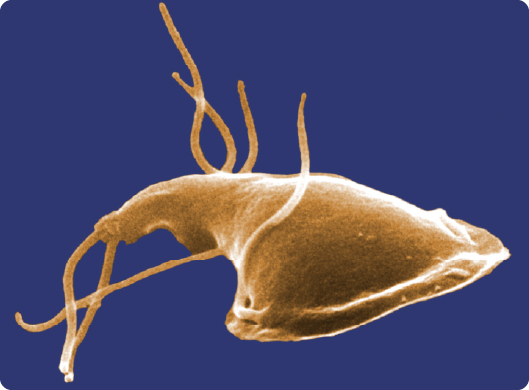
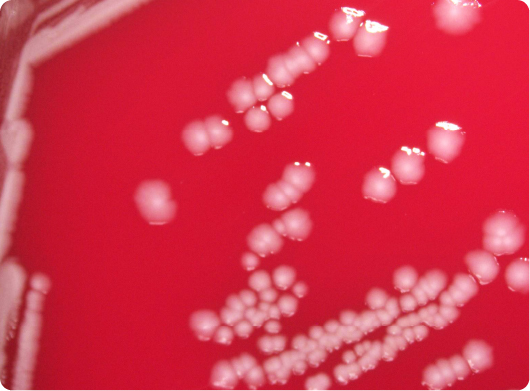
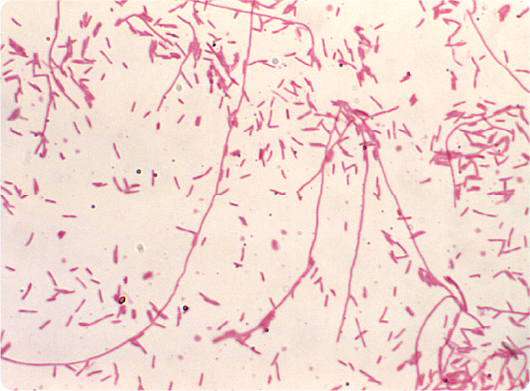
Waterborne diseases are those in which the consumption of or exposure to water and/or water systems leads to illness. Common waterborne diseases include but are not limited to, giardiasis, cryptosporidiosis, vibriosis, shigellosis, and legionellosis.1
Alabama’s project aims to reduce individual exposure to waterborne illness in drinking water from contaminated private or community wells.
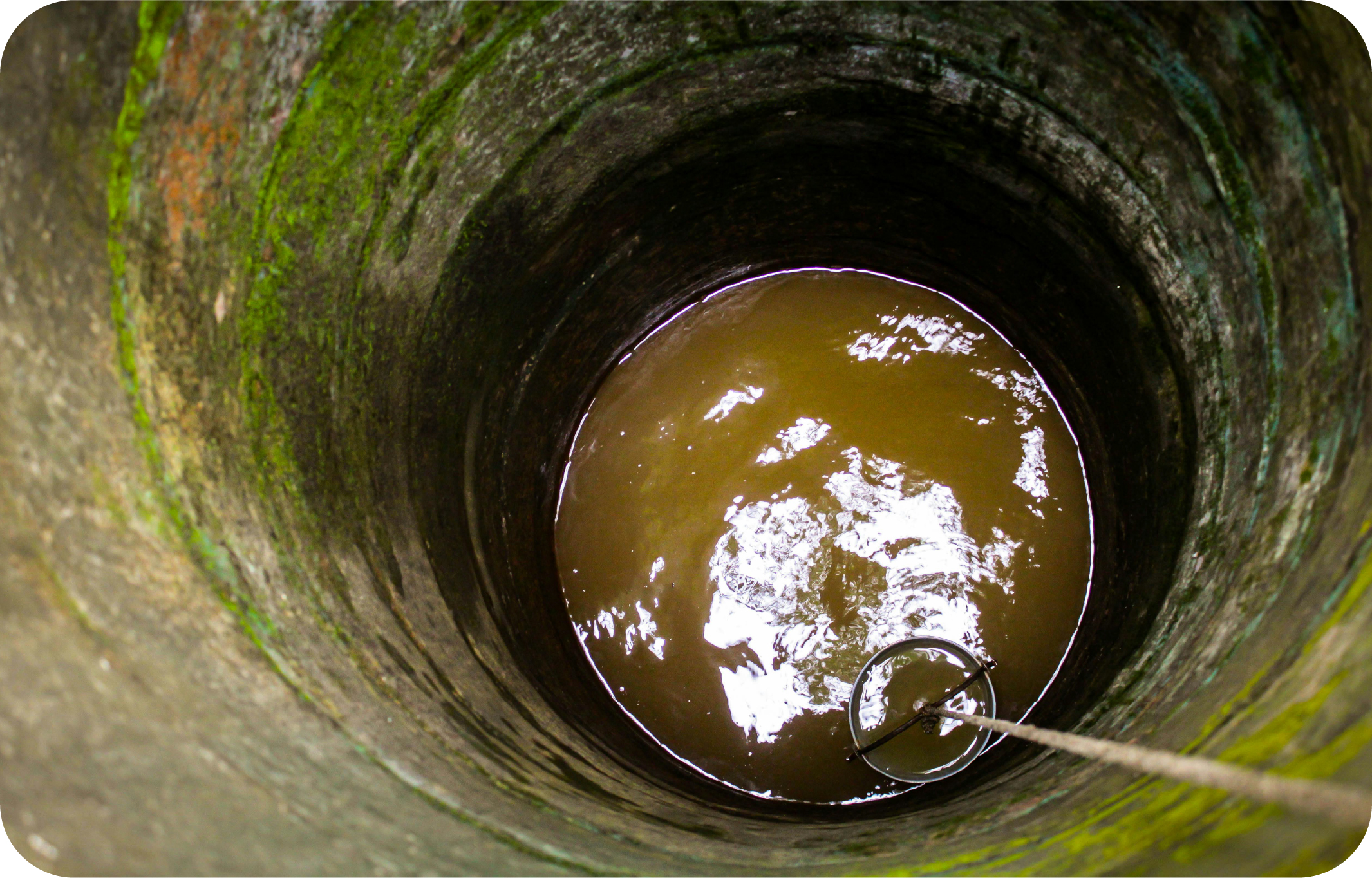
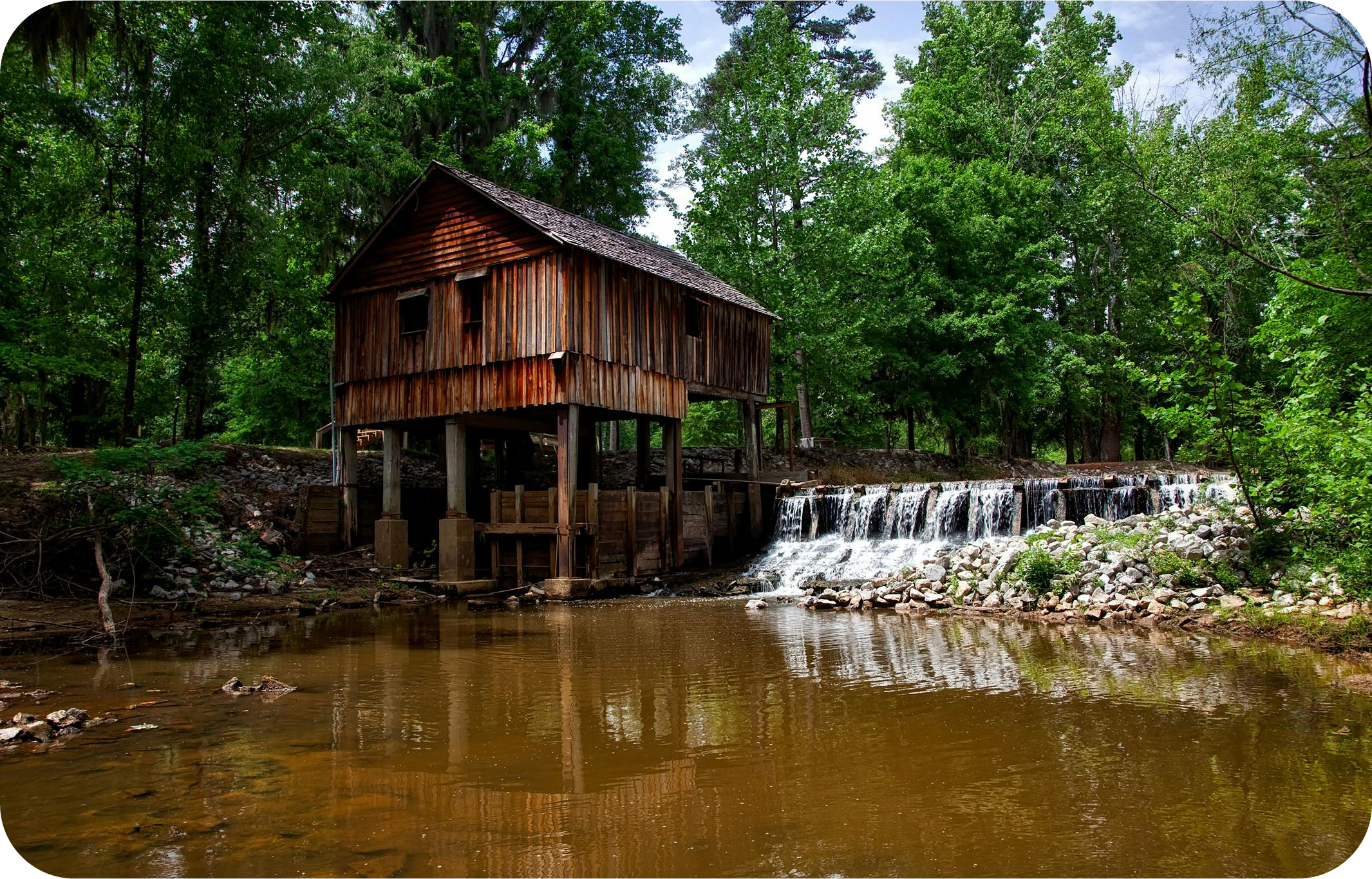
To educate and increase awareness about waterborne illnesses, Alabama hosts community events for homeowners on water quality and the impacts that their water system can have on wells, their neighbors and on waterborne illness in general due to sewage or contaminants that cause disease.
Community engagement has been essential for making a positive impact on water quality within neighborhoods.
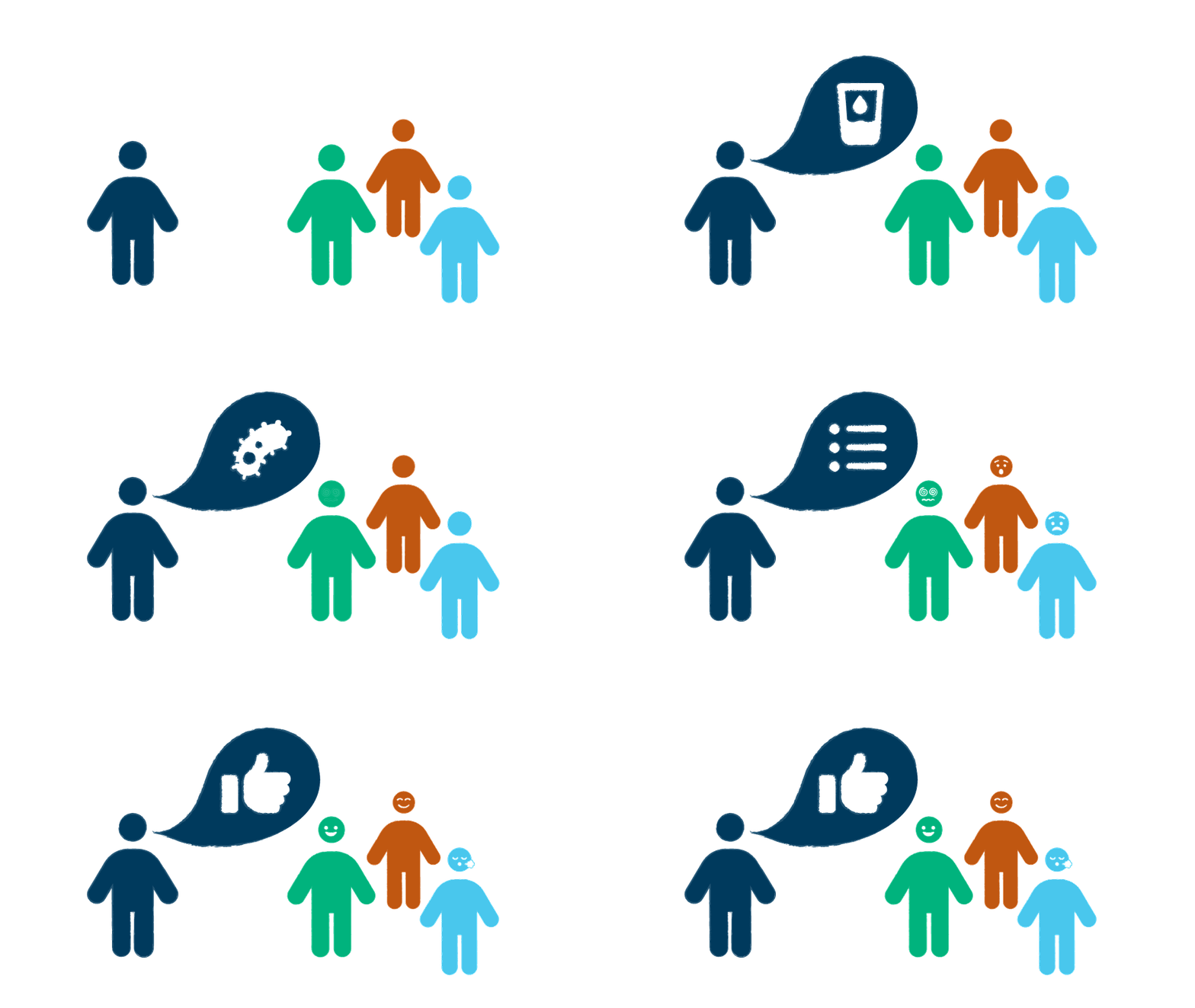
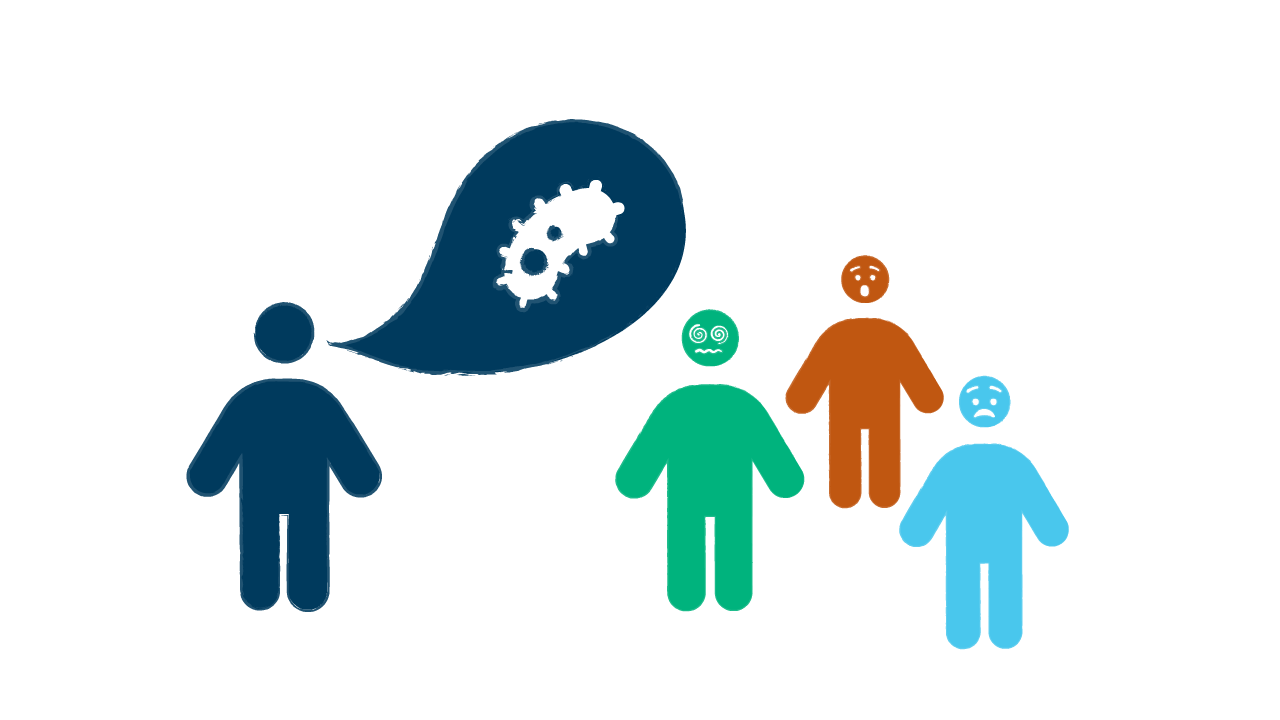
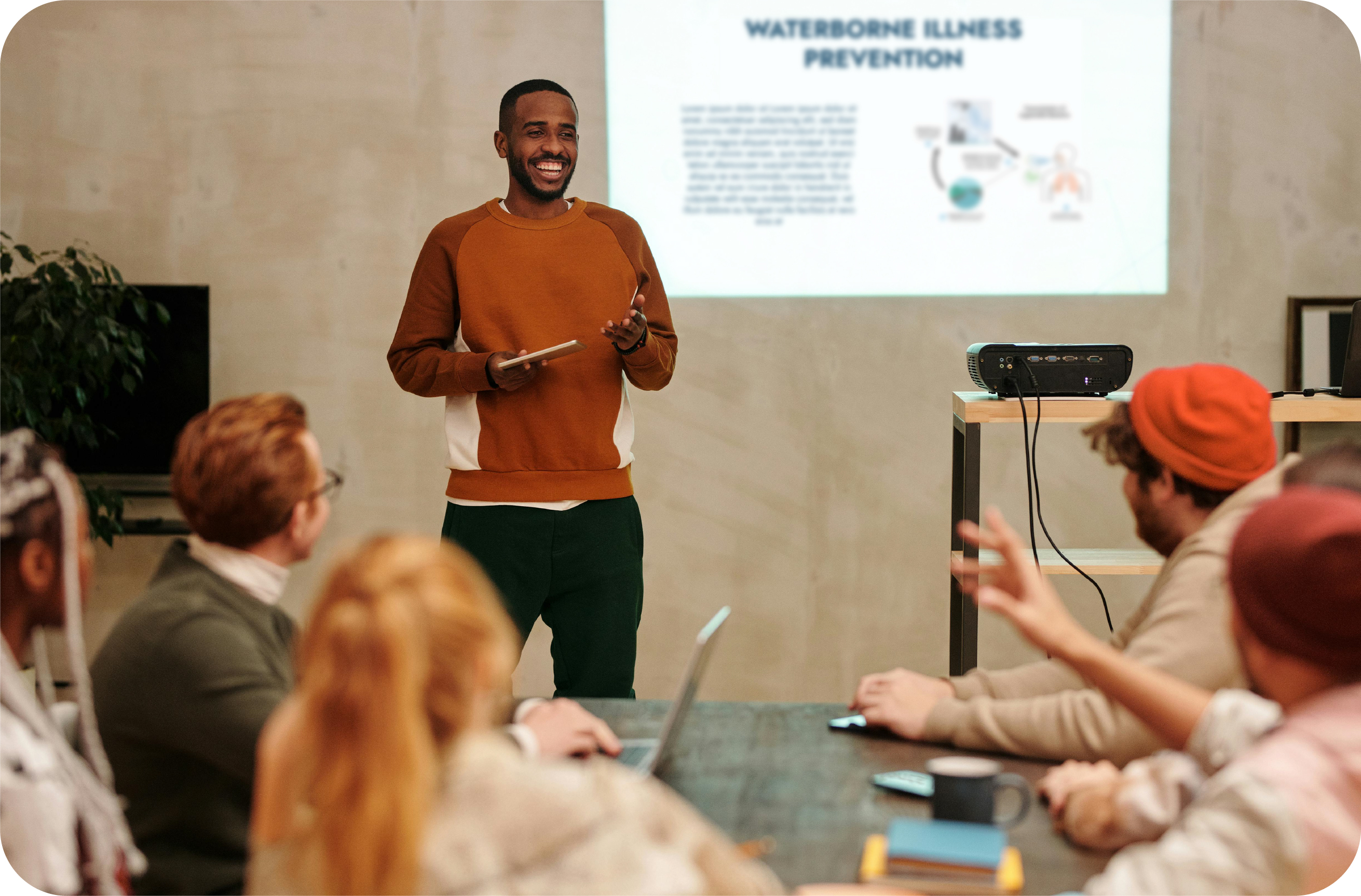
The department of health continues to implement proactive efforts to keep their community safe.
Thanks for reading!
Footnotes
Alabama Department of Public Health. Waterborne Diseases. https://www.alabamapublichealth.gov/infectiousdiseases/waterborne-diseases.html.
CDC. Kunz, J. M., Lawinger, H., Miko, S., et al. “Surveillance of Waterborne Disease Outbreaks Associated with Drinking Water — United States, 2015–2020.” MMWR Surveillance Summaries, vol. 73, no. SS-1, 2024, pp. 1-23. DOI: http://dx.doi.org/10.15585/mmwr.ss7301a1.